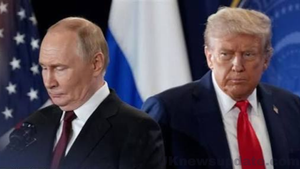
Washington and Moscow signal willingness to restart negotiations, but territorial disputes, security concerns and continued fighting threaten hopes for a lasting settlement.
WASHINGTON, Oct. 27, 2026:
Russia has done in principle what it must to resume peace talks with the United States and Ukraine after Nov. 10, a move that could open up diplomatic avenues to end the conflict that erupted in February of this year with Moscow’s full-scale invasion of Ukraine. But territorial and security issues, along with political issues, remain more deep divides between the two sides. It is raising uncertainty about the possibility of a breakthrough (US Russia negotiations).
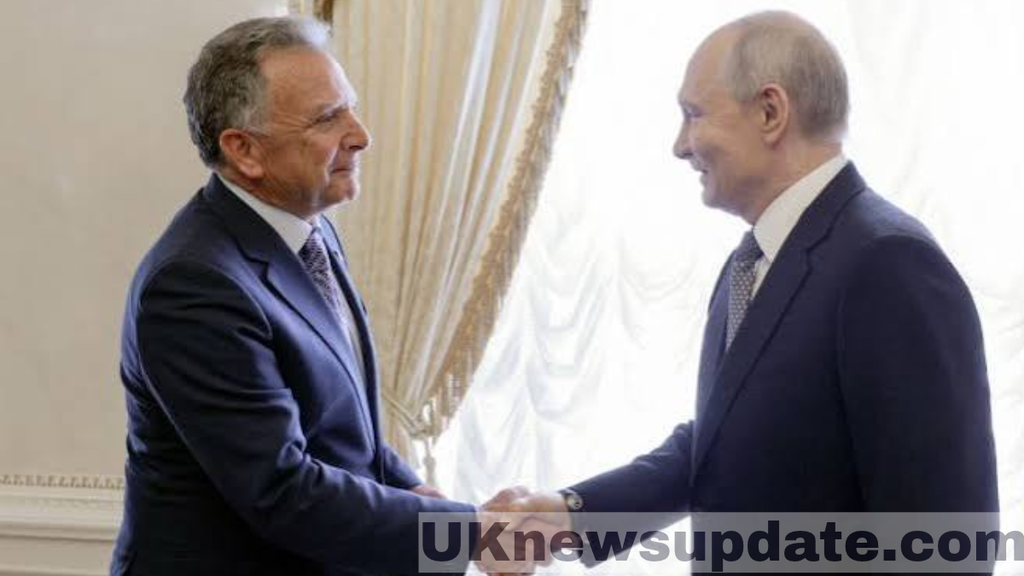
Russian President Vladimir Putin was open to a “return” to the trilateral format of talks. The Associated Press reports after a meeting with U.S. presidential envoy Steve Witkoff in St. Petersburg on 21 October. The talks that are scheduled would be aimed at laying the groundwork for a postwar security framework for Russia and Ukraine. Kremlin foreign policy adviser Yuri Ushakov said (US Russia negotiations).
Washington Seeks Diplomatic Breakthrough
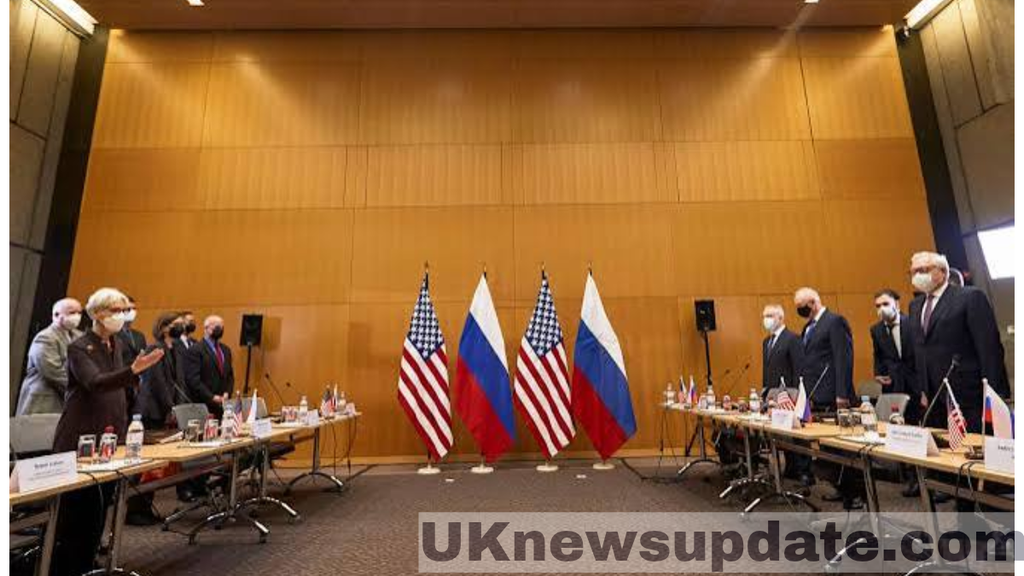
The move comes after several months of deadlock in negotiations. American, Russian and Ukrainian officials met in Abu Dhabi and Geneva and achieved little before this meeting; mainly prisoner exchanges.
U.S. President Donald Trump has upped the pressure on Ukrainian President Volodymyr Zelenskyy to make a deal with Moscow. This is calling for negotiations to bring this conflict to a conclusion. Witkoff met with Ukrainian and European officials in Oslo where options for a possible peace were discussed, before meeting with Putin (US Russia negotiations).
Russian officials noted that some progress has been made in negotiations, though Moscow criticized some of the proposals. Both sides seem to have seen the potential for dialogue. Although Russia has yet to make any major concessions (US Russia negotiations).
Territorial Disputes Remain Major Obstacle
The single most serious issue of a peace accord is territorial disputes. Russia wants concessions on Ukrainian land and Kyiv says its sovereignty and territorial integrity should be guaranteed (US Russia negotiations).
Zelenskyy has been open to renewed diplomatic dialogue, but remains skeptical, given the previous rounds of talks that did not yield long-term results. Ukraine has also refused to accept the idea of limiting its military or of making it a neutral state.
The competing demands highlight the key challenge that both sides face in negotiations. While Moscow wants strategic benefits and security guarantees, Kyiv wants to be defended against future aggression (US Russia negotiations).
A short-term ceasefire could thus be more attainable than a long-term political resolution of the conflict. Especially as neither side is willing to negotiate on key territorial issues.
Economic Interests and European Security
Economic considerations are also influencing diplomatic calculations. Discussions with American and Russian officials have taken place on the question of economic cooperation, postwar reconstruction and general European security issues.
Putin has expressed his willingness to resume economic ties with Washington, which means that in future negotiations commercial incentives may be introduced. But the leaders of European nations remain worried that a deal struck without proper guarantees of security for Ukraine could pose a threat to regional stability (US Russia negotiations).
For Washington, the task is more than just a cease-fire. European security concerns must also be dealt with in any settlement and the trust and confidence of the Western Allies must be preserved.
Ukraine’s future and the relations between Russia, Europe and the USA may come into question because of the negotiations.
Prospects for Peace Remain Fragile
While diplomats have been working, armed conflict is ongoing. Five people were killed and at least 23 injured in Ukraine’s assaults on the city of Kyiv and other areas around Kharkiv on October 21, Ukrainian officials told The Associated Press. The ongoing violence shows the huge disconnect between rhetoric and reality on the battlefield.
However, there is potential for renewed talks to lead to humanitarian deals, prisoner releases, and talks over the ceasefire. Enforceable security guarantees and meaningful Ukrainian participation and compromises acceptable to the negotiating parties would be required for a lasting settlement (US Russia negotiations).
Overall, the proposed talks are a diplomatic gesture and not a peace process. Whether Washington, Moscow and Kyiv can turn renewed engagement into tangible commitments that can put an end to the conflict will be the key to their success.
You can also get information about
U.S. is back in focus on climate change after a UN report predicts a global warming threat.
U.S. Economy Faces Growing Pressure Ahead of Midterm Elections as Inflation and Debt