Trump announces to hold sanctions on Russian oil and fuel trade
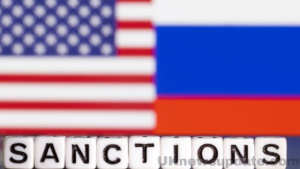
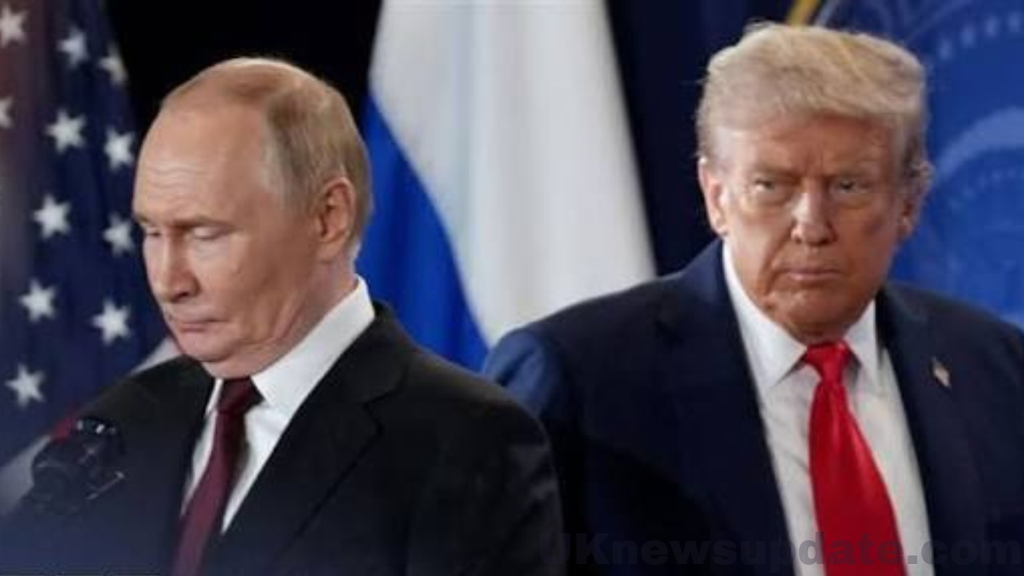
Recently, Trump announced to hold the sanctions on Russia and delay the implementation of the sweeping sanctions. He cited this decision as a national interest decision. But this decision also sparked a heated argument and criticism in Congress and raised questions about Washington’s strategy regarding support in the Ukraine-Russia conflict (Trump Russia sanctions 2026).
President Trump had held the newly enacted sanctions against Russia, creating new uncertainty about US policy towards Russia and its ongoing war with Ukraine. This executive order was signed on Friday, 16 October 2006, in which Trump waived key sanctions and provisions were signed a month ago, but it was under legislation. His administration justified the decision as a decision of state’s interest, and it is a beneficial order for the US government and public.
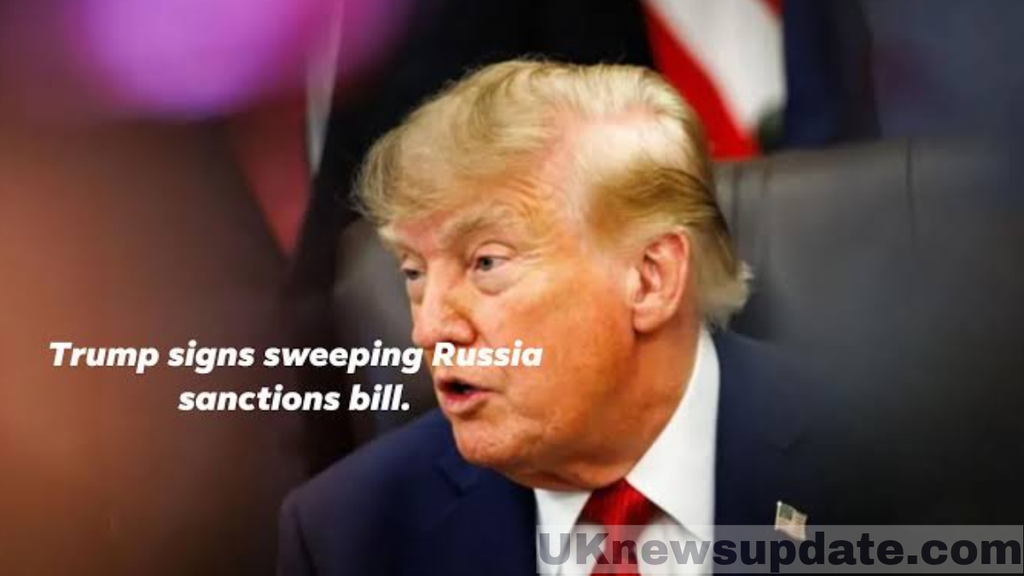
This is a crucial time for US foreign policy. It has to maintain the relationship with Russia and has to support Ukraine in the Ukraine-Russia conflict; it also has its own concern about the fuel crisis within its own country. The decision to hold on to sanctions also brought criticism from the lawmakers. They argued that the economic favor these decisions provide to the Russian state will help them to easily win this war. This will be a question of the commitment of the United States to help its Ukrainian partner (Trump Russia sanctions 2026).
What was the sanctions law and why is it important?
The legislation, which is also known as the Lindsey O. Graham Sanctioning Russia and Iran Act of 2026, was a decision to increase economic pressure on Russia for its full-scale invasion of Ukraine. This was implemented in February 2022. This bill was passed by late Senator Lindsey O. Graham. It sought to limit the financial resources available to Russia and its government to sustain the military campaign. Trump also signed this legislation in 2026.
The imposed measures targeted Russian banks, businesses, and Russian officials. These were the vessels through which Russian energy products are transported to the international market. These were the routes through which Russia can complicate the impact of the US sanctions.
The proposed sanctions imposed a 100% tariff on Russian products, including oil products and natural gas under specific conditions. This order was made to discourage the revenue generated for the Russian government through energy trades.
However, the law also allows the president to waive the key provision if it is not in the national interest. President Trump, on the other hand, did so and imposed a temporary hold on this law, citing that it is against the national interest.
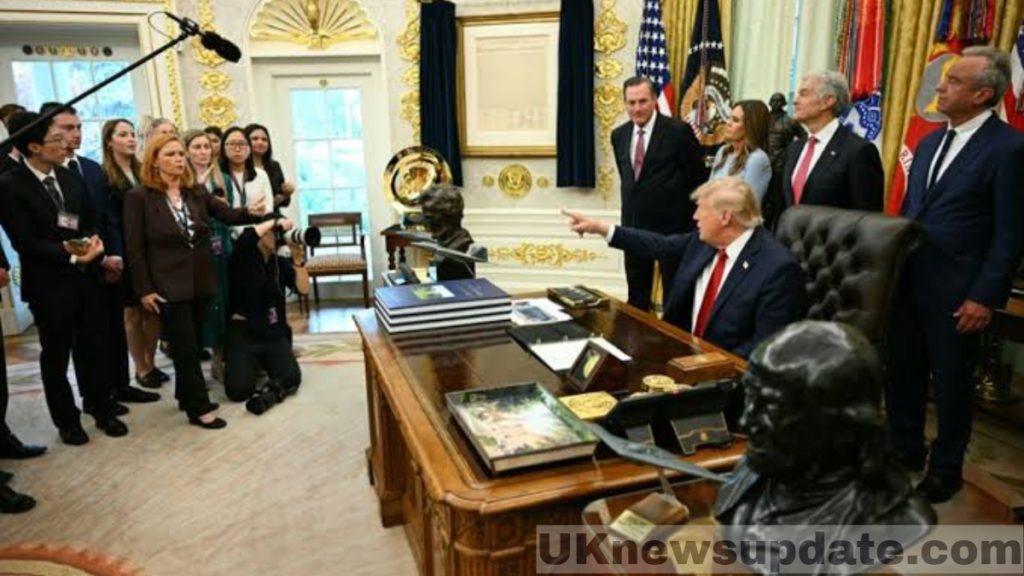
Moreover, this law was implemented on February 2 and was initially enacted as a tool to control Russian revenue to control military equipment. It was a strategic decision to control the economic benefits of Russia. United States has its commitments with the Ukrainian government to help them in war conditions with Russia. This law is a step towards the commitment. Lawmakers are criticizing the president’s decision on upholding the law. The decision to lower tariffs on Russian oil and fuel trade will benefit the Russian government’s economy. But Washington explained this as an interest of the state.
Why did the US lower the tariffs on Russia?
There are certain reasons why the US has lowered the tariffs on russian oil and fuel trade. US has been in an energy crisis since its war with Iran started. After Iran closed the gates of the Strait of Hormuz to any oil shipping, fuel prices in the world rose rapidly. United States is one of the most affected countries by this act.
However, the prices of petrol and diesel rose very rapidly in the US. Thus, this increase in prices also increased the prices of everyday products in the US market. Businesses were also affected by this. Trump’s presidential actions were questioned, and the public was protesting against them. That made the president change the decision regarding this act.
What is next?
In the next article, we will discuss how the United States government is taking up holding the decisions of tariff control on Russian fuel trades. Why it has changed its legislation towards the Russian government and why the lawmakers are criticizing these decisions. This also has implications for Ukraine and European security. What could be the next economic consequences of these decisions? We will discuss it in the next article. Stay connected to know all about this matter.
You can also read the latest news about
US-Iran Conflict, Oil prices affecting businesses, and the midterm election in the US.
The US And Iran Conflict Affecting the US Economy And Politics