The US-Iran Conflict: background and effects
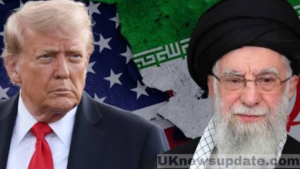
Previously, in the article (the US and Iran Conflict Affecting the US Economy and Politics), we discussed how the US-Iran conflict is creating pressure on the US economy through increasing oil prices. We also discussed how the attempts to come to a compromise failed because both sides have different demands that neither side agreed on. On the other hand, Pakistan came in as a mediator to resolve this problem and get both sides on the same page, but still, there was no successful result from these attempts.
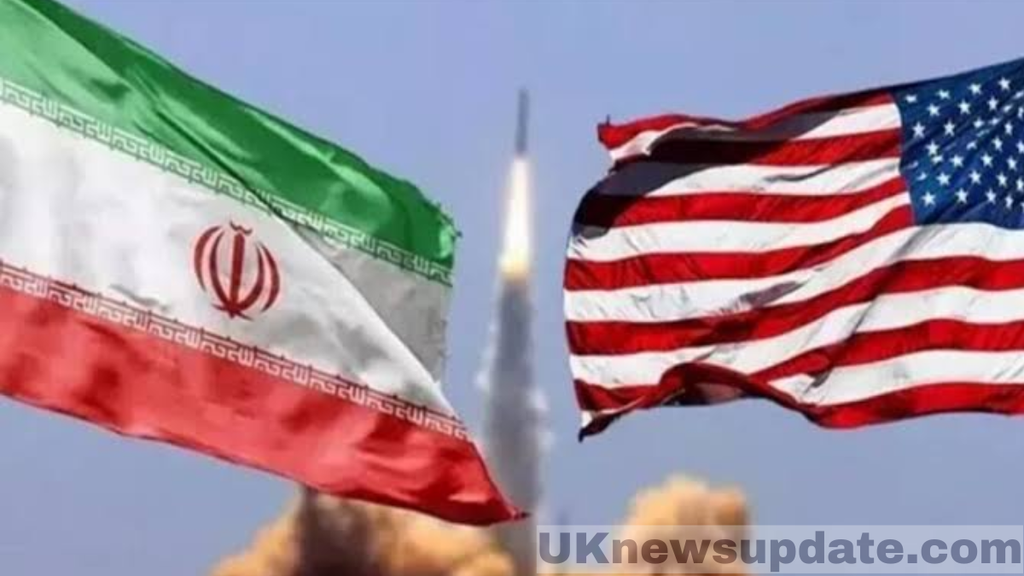
US-Iran conflict effects include the rise of oil prices. The whole world is facing a rise in oil and energy prices. After the war started, Iran closed the Strait of Hormuz to any oil shipments. This affected the whole world’s energy market. Strait of Hormuz is a very important location for the whole world’s oil supply. Most of the world’s oil is transported through this route.
When Iran closed the Strait of Hormuz, it put a lot of pressure on Trump’s presidency. As a result, oil prices caused a rise in the prices of everyday products. Consumers are paying a lot more money for products they used to pay less for. Now this is making people go against the presidency and leadership of Trump.
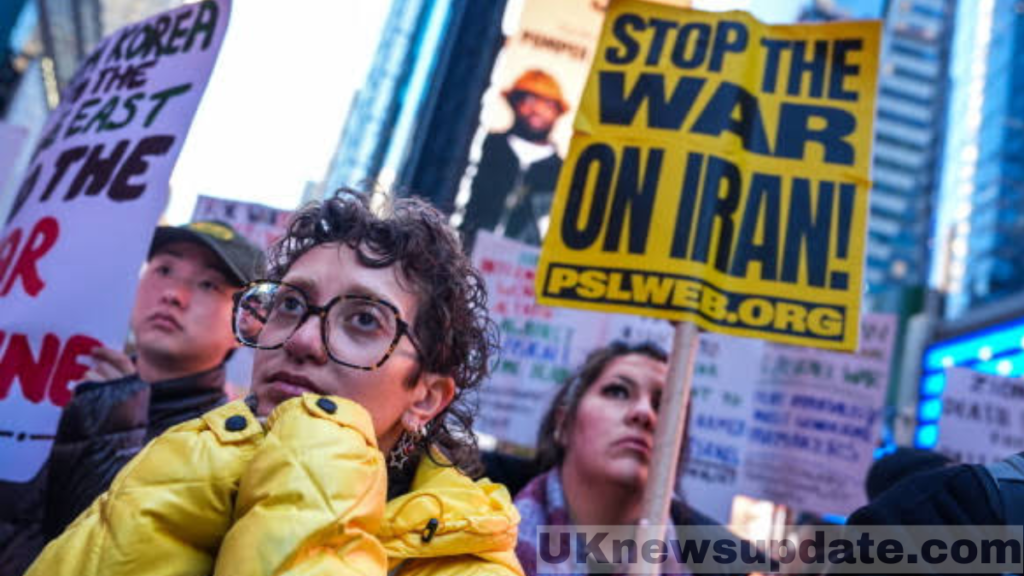
In this article, we will discuss how the rise in oil prices is affecting business in the US. The results of this rise in energy prices are not just faced by consumers but also by businesses. We will also discuss how this is affecting the midterm elections in the US. How this US-Iran conflict is becoming a challenge for the elections and what decisions are affecting the elections.
Higher Oil Prices Putting Pressure on Businesses
The impact of high oil prices is going beyond the petrol stations. Many businesses in the US depend on affordable energy to transport goods and provide services. Petrol as well as diesel is very important for businesses. Diesel is used in trucks and heavy agricultural machinery. When its prices increase, the prices of moving clothes, food, building materials, and other products can increase.
Associated Press released a report that shows that the prices of diesel in the US rose to a record level during the conflict. The national average reached $6.53 per gallon on September 22, according to the American Automobile Association (AAA), and was approximately $6.28 on October 9.
These increases have created difficulties for farmers, truck drivers, and businesses that depend on transportation. Farmers are facing problems while cultivating their crops; selling them and delivering them has become much more expensive as well.
The U.S. government announced that it is going to make a deal with Russia to increase the diesel supply. They are going to get more diesel from Russia, but Russia is not going to resolve the issue. As energy experts at the Associated Press argue, the main supply and refining power is in the Middle East. Thus, the increase in supply from one side is not going to solve the whole economic problem of the country. On the other hand, they also argue that the increase in demand for diesel will also increase the price of diesel, so the prices will go high rather than come down.
The US-Iran conflict effects becoming a political challenge for the Midterm Elections
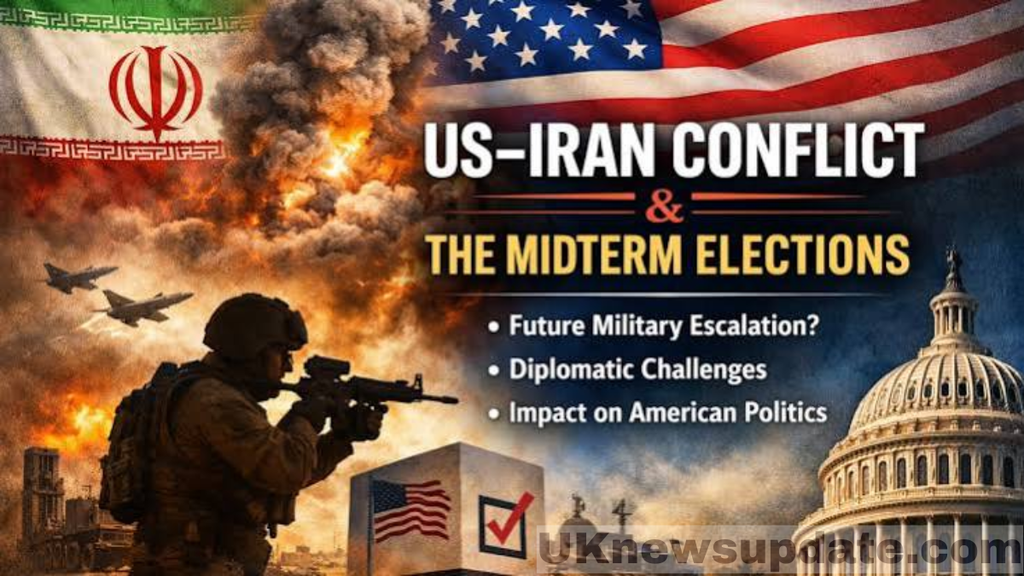
The economic consequences of the war between the US and Iran made it a political issue as well for the US. On November 3, the US is going to have its midterm election, in which the people have to choose candidates for Congress. This will determine the power and control of the House of Representatives and Senate.
The rise in petrol prices and everyday products has made it difficult for the republicans to hold their position in Washington anymore. Some of the candidates have shared their concerns about the war and how it has imposed a burden on American Households.
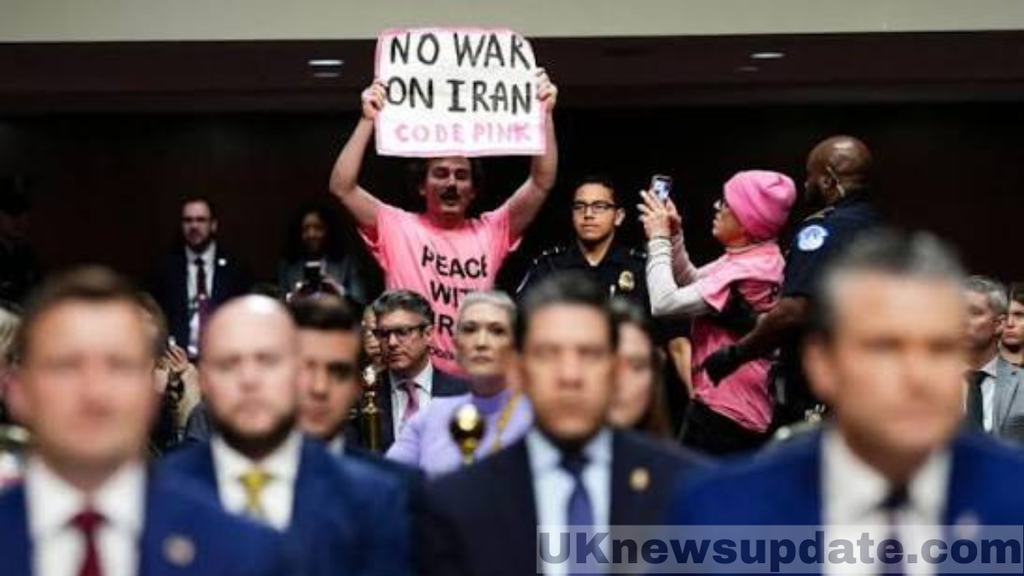
The Associated Press released a report on 10 October, a poll conducted by the Associated Press-NORC Center for Public Affairs Research, which showed that 69% of the people believe that the war should not have happened. It also showed that only 28% of the people believed that Trump’s decisions were good and that he handled Iran well.
These results show us that this conflict was a source of public dissatisfaction. However, public opinion is not the only factor affecting the midterm results. Trump said that it is totally wrong that the election calendar is driving his decisions about the Iran conflict. Also, from the side of Iran, officials have said that the elections can not change their country’s approach to Washington.
The result of the elections can influence congressional oversight, debates on military spending and the administration’s wider domestic agenda. However, it remains uncertain how the conflict will affect the final election results.
What could happen to the US economy next?
In the future, the economic impact will be determined by how the US and Iran approach the conflict. The best option is to come to an agreement that will benefit both nations. If negotiations happen to be more lasting and there is a restart of oil shipping, oil prices will come down. Lower oil costs will benefit the consumers as well as the businesses.
However, if the nations do not come to an agreement, the risk could increase further. The high fuel prices will raise inflation and raise business expenses. The financial market will remain uncertain and vulnerable. However, recovering from this high inflation and high fuel prices will be much more difficult.
So, as a result, it is best for American and Iranian policymakers and diplomats to come to an agreement for fast results. Otherwise, late decisions will cause much more difficulty.
You can also get information about
Trump threatens to double tariffs on South Korea if they do not pay for the Alaska natural gas pipe
Why the USA and China Are in a Long Struggle, Not a Short Fight