
Background
In the last article ( Trump Russia Sanctions 2026: Trump lowers the sanctions on Russia, raising a question on US support for Ukraine), we discussed what the sanctions actually were and when they were imposed. The reason behind the imposition of these sanctions was the conflict between Ukraine and Russia. United States has committed to help Ukraine in the war with Russia. This sanction on Russia was an important tool of that help (Economic consequences of Russia sanctions).
On Friday, 17 October 2026, Trump announced the lowering of tariffs on russian oil and fuel trade and the delay of sanctions on Russia. This decision was said to be in the favour of the state’s interests. However, this decision was criticised by many lawmakers and other officials. They argued that this decision is against the commitments of the US to Ukraine.
In this article, we will discuss why Trump actually decided to lower the tariffs on Russia and delay the sanctions, why the lawmakers are criticizing this decision, and what the economic consequences of this change in the law are (Economic consequences of Russia sanctions).

Why Trump decided to delay the Sanctions on Russia
In recent times, the United States is facing difficulties in its ma. With the initiation of war between the US and Iran, there is a shortage of fuel in the US market. This is affecting US consumers and the middle class the most, as well as affecting US businesses that are dependent on fuel.
As a result of the US-Iran war, Iran decided to close the Strait of Hormuz. Strait of Hormuz is one of the most strategic and important locations in the world. Most of the world’s oil is transported through this route, which comes from the Middle East. After Iran closed the Strait of Hormuz, the world had a shortage of petroleum and natural gas. This resulted in an increase in prices all over the world (Economic consequences of Russia sanctions).
US is the most affected country by this act. Its big industries need petroleum and diesel for transport and production. US businesses went down because of this act. On the other hand, the US public was also affected by this act, as their daily product prices also increased. US gets most of its oil from the Middle East;s it has control in this region. On the other hand, its relations with Russia were not so good that they can rely on them for fuel.
reasons behind lowering the tariffs on Russian products
US had sanctions on Russian petroleum and oil trade from Feb 2022. They set high tariffs on countries that had a trade relationship of oil with Russia. This decision was made to control Russia’s economic benefits and help the Ukrainian government in the war. Although this decision was made for this reason, now the US itself is in an oil crisis, and it has difficulty getting oil from the Middle East (Economic consequences of Russia sanctions).
Trump is facing criticism for his decision to go to war against Iran. On the other hand, there is going to be a midterm election on november 2nd. All these things are affecting and challenging Trump’s presidency. For that reason, Trump decided to get oil from Russia.
Trump announced that, to overcome this energy crisis in the US as well as the world’s energy crisis, they are deciding to get fuel from Russia. In that case, the US has to lower the tariffs on Russia and on any country that has a trade relationship with Russia. Also, the US has to delay the sanctions on Russia. In other words, to overcome the energy crisis, a decision in the state’s interest (Economic consequences of Russia sanctions).
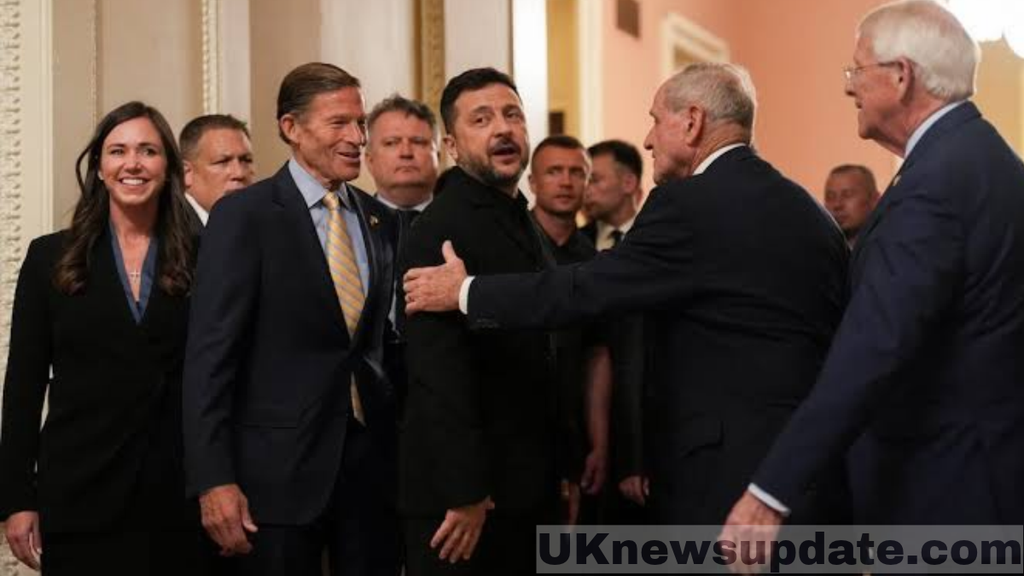
Lawmakers criticizing Trump’ss decision:
The lawmakers and some Republicans are criticizing this sanctions waiver, arguing that it contradicted the intentions of Congress and weakened the position of Ukraine and its European allies. This decision is not only opposed by the democrats but also by a group of 12 senators, including six Republicans, who argued with Trump to reconsider the decision on the sanctions provision.
This shows a different approach toward war in the Washington Government. One side is considering putting economic pressure on the opposition to gain an advantage in this. They believe Russia should face greater costs to encourage meaningful negotiations. The other side is considering managing diplomatic and economic arrangements,n and agreements could lead to a ceasefire or reduce energy prices.
The economic consequences remain uncertain:
The decision also carries potential consequences for the international energy and trade market. The reduction of sanctions on Russian oil trade will increase the global supply of Russian oil. It will increase the availability of fuel in many global markets. In economic theory, an increase in supply puts downward pressure on prices (Economic consequences of Russia sanctions).
However, energy prices are dependent on many factors. Global demand, refinery capacity, shipping costs, geopolitical conflicts, and production decisions are factors that are taken into consideration whenever determining energy prices.
The purpose of the tariffs was not only to control the fuel market of Russia but also to control its trade relations with other countries and discourage them from trading with Russia. By waiving them, Trump avoided the additional imposed threats at this stage. Whether this approach improves energy affordability or advances diplomatic objectives remains an open question (Economic consequences of Russia sanctions).
What next?
The immediate question is whether the US government will consider the sanction waiver, or it will impose further sanctions on Russian trade. The decisions are still under consideration, and the analysis will be done by the senior officials. Although critics will argue against the decision to lower the tariffs and delay the sanctions, the decisions are still under consideration. The results of the decisions will be determined after the final decisions.
You can also get information about
US-Iran Conflict, Oil prices affecting businesses, and the midterm election in the US.