US Long-Term Borrowing Cost reaches its highest level in 23 years:
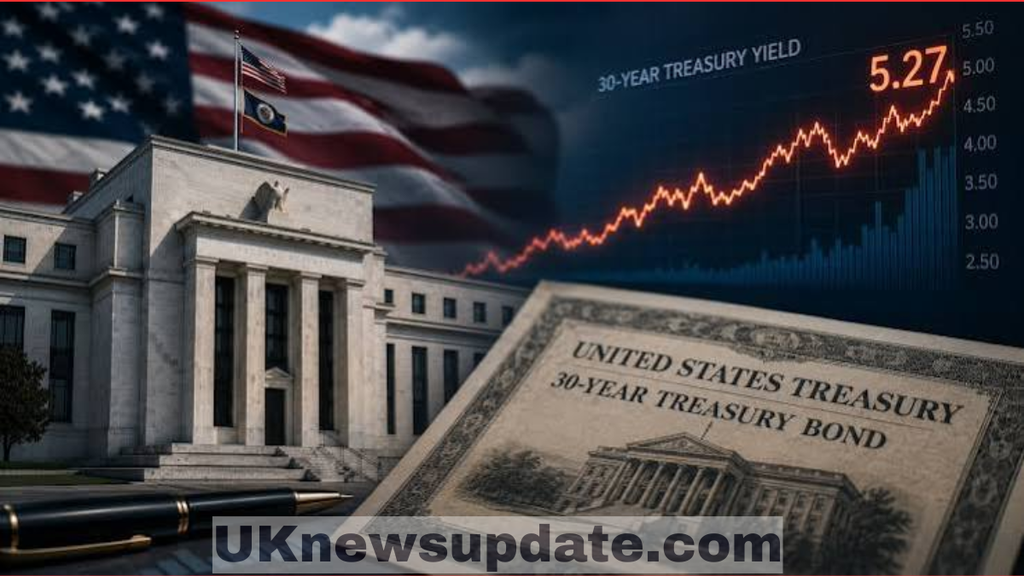
This Tuesday, the US Treasury increased the borrowing cost to another level. It went to a peak after 23 years. The long-term borrowing cost jumped to the highest level in 23 years. The interest rate in the Treasury market rose to 0.06 percent in afternoon trading in New York. It is the highest level since June 2002. This made the yield rise to raise up t0 5.6 points, and the 10-year Treasury also increased to 0.004 points. That makes up to 5.28, a benchmark after the 2007 high. As the rise in prices is a key factor in increasing bond yields, this rise sustains strong pressure on the market.
This rise was already gaining momentum since oil prices rose in the market. This led to inflation at the start of August. This data forces US long-term borrowing costs to reach the highest levels, which further increases expectations of rising prices. The US Treasury Secretary Scott Bessent’s attempts to contain the rise have so far failed to hold it back. The first rise was in mid-August, and he announced a long-term programme of bonds buyback to calm down the market. Interest rates are still rising despite the interventions. Investors are unconvinced that the underlying pressure of inflation, fiscal concerns and expectations rate are close to easing.
The Investors Show Little Appetite for Long-Dated Debt:
Investors are more inclined towards holding long-dated government debt, according to the market strategist. This is a shift reflected in a widening term premium, the extra yield that investors demand for taking risk for holding bonds for longer term. Arun Sai, the multi-asset strategist at Pictet Asset Management, says that the only way for the least resistance is the term premium, and that investors are in no hurry to add long-term to their profile.
Drivers behind the increase in Long-term borrowing costs:
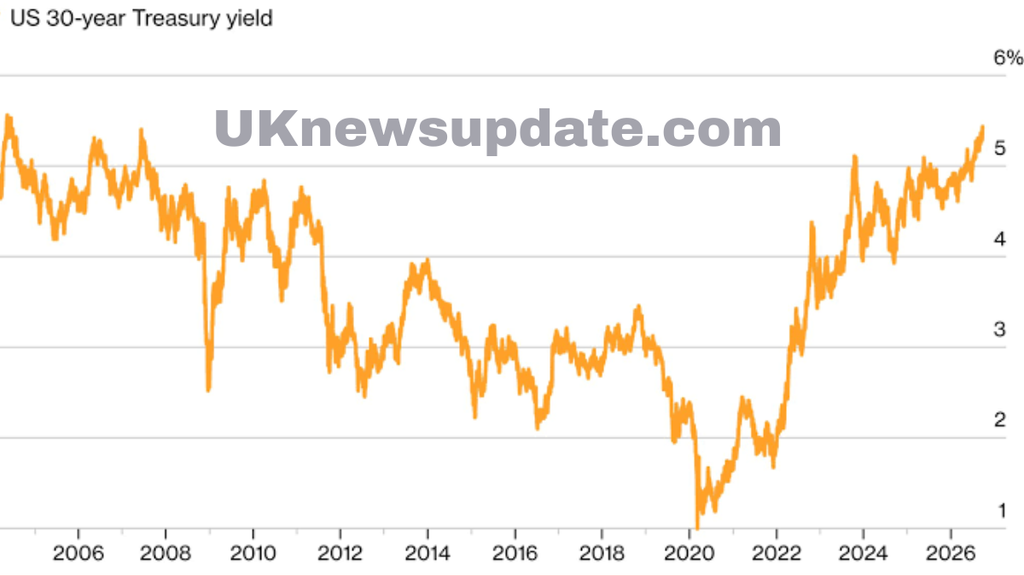
Experts are saying a few things are pushing the yield to new heights. Investors are demanding more yield for holding the longer term. This shows low demand in long-term bond borrowing. Investors are in no hurry to buy the long-term bonds. This pushes the costs of the bond to increase further. The government is looking to increase further, as if no investors are coming to the market.
Oil prices are also a big reason for this increase in costs. Crude oil has stayed above 100$ for all of September. This is linked to the U.S.-Iran war, which further increased energy prices. This increase in oil prices caused an increase in inflation, and investors are no longer sure that the central bank will cut the interest rate. Instead, they are expecting the rates to go up further.
The Federal Reserve has already increased the US long-term borrowing cost this month. This developed an expectation in the investor market of a further rise in costs, which caused investors to leave the market. This change in expectation is putting more pressure on long-term bonds. When interest rates go up, bond yields go up too.
Fiscal Sustainability Concerns Mount as Debt Tops $40tn:
The US debt also crossed $ 40tn this month; this also concerns the investor market. This further deepens investor expectations of long-term instability in US finance. Investors are concerned about whether the government will be able to pay the debts back in the longer term and whether it can be stable or not.
Kristina Hooper, chief market strategist at Man Group, says that the government is worried about its long-term ability to manage, which is shown by the increase in long-term yield prices. She also said this was made worse by the high inflation of oil due to the USA-Iran war. This makes US Treasury bonds unattractive, especially for foreign investors.
Market reaction:
Even though bond prices are unstable and increasing consistently, stock prices are stable. The S&P 500 decreased by 3% only on this Tuesday. It is stable and 2% below the last highs of August. But the Nasdaq 100 increased by up to 2 percent on the same day. This shows that the increase in yield prices is spreading towards the stock market as well.
There is still a gap between the increase in US borrowing costs and the stock market, but it will not last forever. If borrowing costs rise to record levels, the pressure can eventually spread to companies and the stock market too. This would be a test of how long the stock market will be insulated from the effect of increases in the world’s most important bond market.